ODosta Inc. Create Your Own Tech World

For decades, China was viewed as the world’s factory efficient, massive, and inexpensive. But that image is outdated. What’s unfolding today inside China’s largest cities tells a very different story: one of ambition, innovation, and a calculated race toward technological leadership. From electric vehicles to humanoid robots, China is no longer just manufacturing the future, it is designing it. This is not hype. This is what the race to the future actually looks like on the ground.
Shenzhen: From Fishing Village to Silicon Valley of the East
Few places on Earth represent transformation like Shenzhen. Once a small fishing village, it is now one of the most advanced tech hubs in the world. Artificial intelligence, robotics, autonomous vehicles, and drone logistics are not concepts here, they are daily life.
Shenzhen is often called the “Silicon Valley of the East,” and for good reason. It is the birthplace of BYD, the world’s largest electric vehicle manufacturer, and a symbol of how fast China can scale ideas into global industries.
BYD: How a Battery Startup Overtook Tesla
BYD’s story begins in 1995, not in a glamorous lab or billion-dollar facility, but inside a small apartment. The company started by making batteries when few believed electric vehicles would ever matter. Critics mocked them. Media dismissed them. Even industry leaders underestimated them. Fast-forward to today, and BYD sells more electric vehicles than Tesla, employs over one million people, and holds tens of thousands of patents.
What sets BYD apart is control. Unlike many competitors, BYD manufactures nearly everything in-house from batteries to semiconductors. Their signature innovation, the Blade Battery, uses lithium iron phosphate technology arranged in a long, blade-like structure. This design improves safety, longevity, and efficiency while reducing fire risk, one of the biggest concerns in EV adoption.
Charging speeds that add hundreds of kilometers in minutes, self-parking systems, floating emergency vehicles for flood conditions, and electric supercars once priced only for gasoline elites, these are no longer experiments. They are production models.
BYD’s success wasn’t loud. It was methodical.
Automation at Scale: Factories Run by Robots
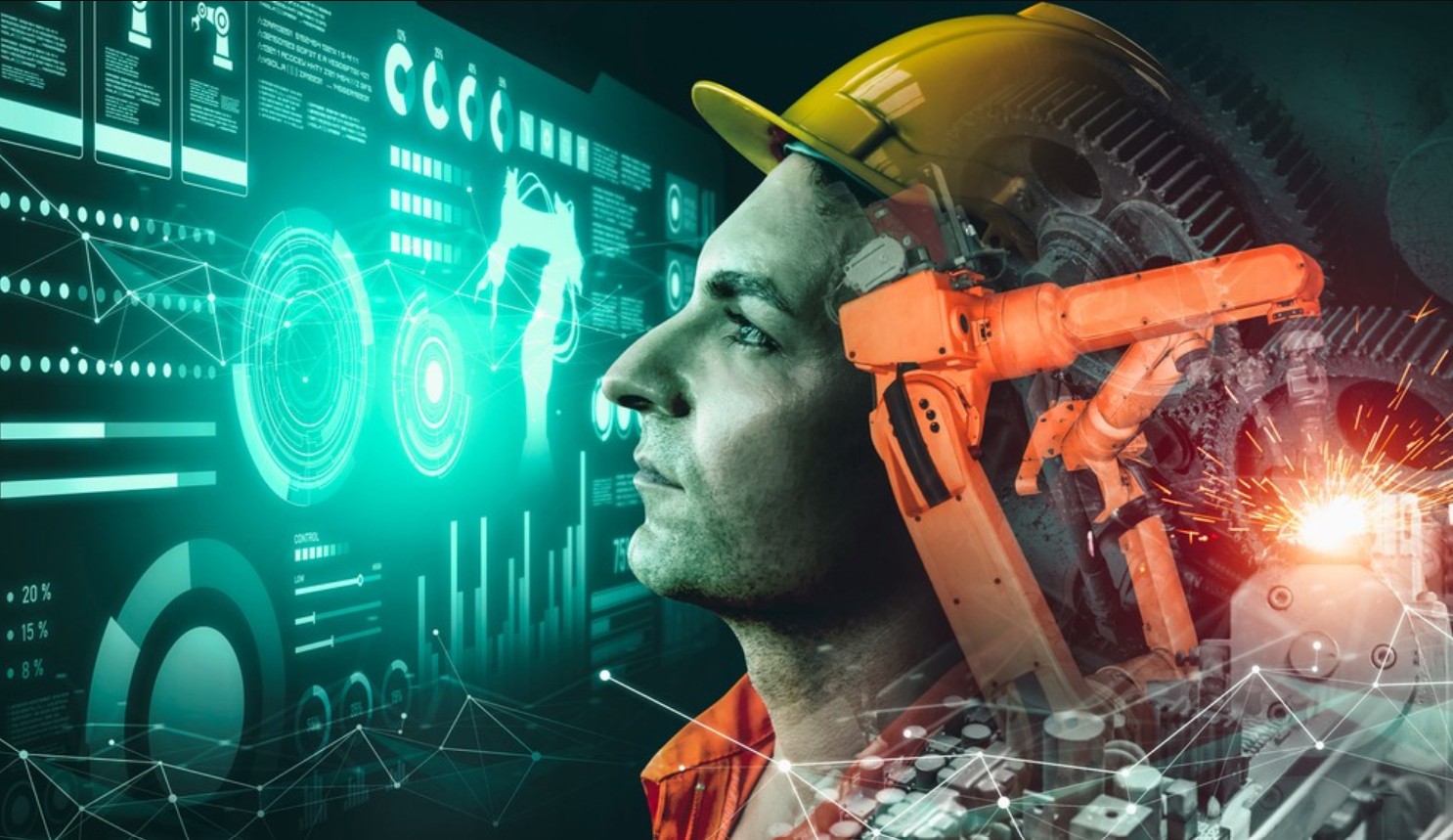
Inside BYD’s factories, the future feels less like science fiction and more like logistics perfected. Robots handle welding, assembly, inspection, and testing with minimal human intervention. Some facilities produce a vehicle every minute. This level of automation isn’t about replacing workers—it’s about speed, consistency, and global competitiveness. Positioned near ports, these factories export vehicles worldwide, from South America to Southeast Asia.
China isn’t just exporting products anymore. It’s exporting systems.
A City Where the Future Is Normal
Back in Shenzhen’s streets, the future blends into everyday life. Electric vehicles dominate traffic, identified by green license plates. Drone delivery brings coffee from malls to customers within minutes. Autonomous taxis navigate city streets without drivers. Payments happen through palm scans. Hotel service robots ride elevators independently to deliver room service.
What feels experimental elsewhere feels routine here. Safety, surveillance, and infrastructure work together to create a controlled urban environment, one that prioritizes efficiency over chaos. Whether that trade-off is ideal is a debate for another day. What’s undeniable is that it works.
Hangzhou: Where Robots Learn to Walk
In Hangzhou, another dimension of China’s technological push comes into focus: humanoid robotics.
At Unitree Robotics, engineers are building machines that walk, dance, fight, balance, and interact with humans. These robots are lightweight, affordable compared to Western equivalents, and already being sold to universities, developers, and even consumers.
While still limited by battery life and processing constraints, their progress is rapid. What once cost hundreds of thousands of dollars now costs a fraction. The implications for education, home assistance, and service industries are enormous.
China is no longer chasing Boston Dynamics, it’s competing with it.
Shanghai: Speed, Scale, and Financial Power
Shanghai represents China’s economic confidence. Its skyline tells a story of global finance, while its transportation systems reflect engineering ambition. The Maglev train, among the fastest in the world, connects the airport to the city at speeds that rival aircraft during takeoff.
While Japan still holds the speed record, China has focused on reliability, scalability, and integration. Shanghai isn’t just impressive, it’s functional.
Shandong: The Rise of Hyper-Realistic Humanoid Robots
In Shandong Province, companies like EX-Robot are pushing robotics into unsettling territory. Hyper-realistic humanoid robots with silicone skin, facial recognition, and human-like movement blur the line between machine and person.
These robots are being developed for healthcare, education, tourism, and research. The long-term vision is clear: robots assisting the elderly, supporting hospitals, and eventually building other robots.
Factories that never sleep. Machines that never tire. It raises difficult questions but also unavoidable ones.
The Bigger Question: Can China Surpass America?
While other global powers have been consumed by political conflict, military intervention, and short-term cycles, China has focused relentlessly on infrastructure, technology, and industrial self-sufficiency. History shows that dominance shifts quietly. Britain once ruled the world and faded gradually after global wars. Power rarely collapses, it transitions.
China’s rise isn’t loud. It’s calculated. So the real question isn’t whether China is building the future. It already is. The question is whether the rest of the world is prepared to compete in it.
Welcome to the race to the future Technology.