ODosta Inc. Create Your Own Tech World

When metal is struck by lightning, several intense and dramatic physical processes happen within milliseconds. you should also know, What happens when you struck by lightning.
What happens when metal is struck by lightning?
1. Massive Electrical Surge
Lightning carries tens of thousands of amps of electrical current and can reach temperatures of around 30,000°C (54,000°F) — hotter than the surface of the sun. When it hits metal, the metal acts as a conductor, allowing the electricity to flow rapidly across its surface and down into the ground.
Because metal has very low electrical resistance, the current usually travels along the outside of the object (a principle similar to the Faraday cage effect). This is why metal structures can sometimes protect what’s inside them.
2. Extreme Heating
Even though metal conducts electricity well, the sheer energy of lightning causes rapid heating. This can result in:
-
Surface melting
-
Pitting or burn marks
-
Warping
-
Vaporization of small sections
If the metal is thin (like a sheet roof or fence wire), it may partially melt or even snap.
3. Explosive Effects (If Moisture Is Present)
If there is water inside or near the metal — such as moisture trapped in a pole, pipe, or tower — the lightning’s heat can instantly turn that water into steam. Steam expands extremely fast, which can cause:
-
Cracking
-
Splitting
-
Explosive fragmentation
This is why trees (which contain water) often explode when struck, and metal poles embedded in wet materials can suffer structural damage.
4. Structural and Electrical Damage
For larger metal structures like:
-
Cell towers
-
Power lines
-
Skyscrapers
-
Vehicles
Lightning is usually directed safely into the ground through grounding systems. However, if grounding is poor, it can cause:
-
Electrical surges
-
Equipment failure
-
Fires
-
Power outages
Modern buildings use lightning rods to safely channel this energy away.
What About Cars?
If lightning strikes a car, the metal body safely carries the current around the passengers and into the ground — another example of the Faraday cage effect. The biggest risk is usually electrical system damage, not harm to people inside.
Does Lightning “Attract” Metal?
Contrary to popular belief, metal doesn’t attract lightning — height, isolation, and path of least resistance matter more. Metal simply conducts lightning extremely well once it is struck.
In Summary
When lightning strikes metal:
-
The current spreads instantly across the surface.
-
Extreme heat may cause melting or damage.
-
Moisture can cause explosive effects.
-
Proper grounding can safely direct energy away.
It all happens in a fraction of a second — but the power involved is enormous and potentially destructive.
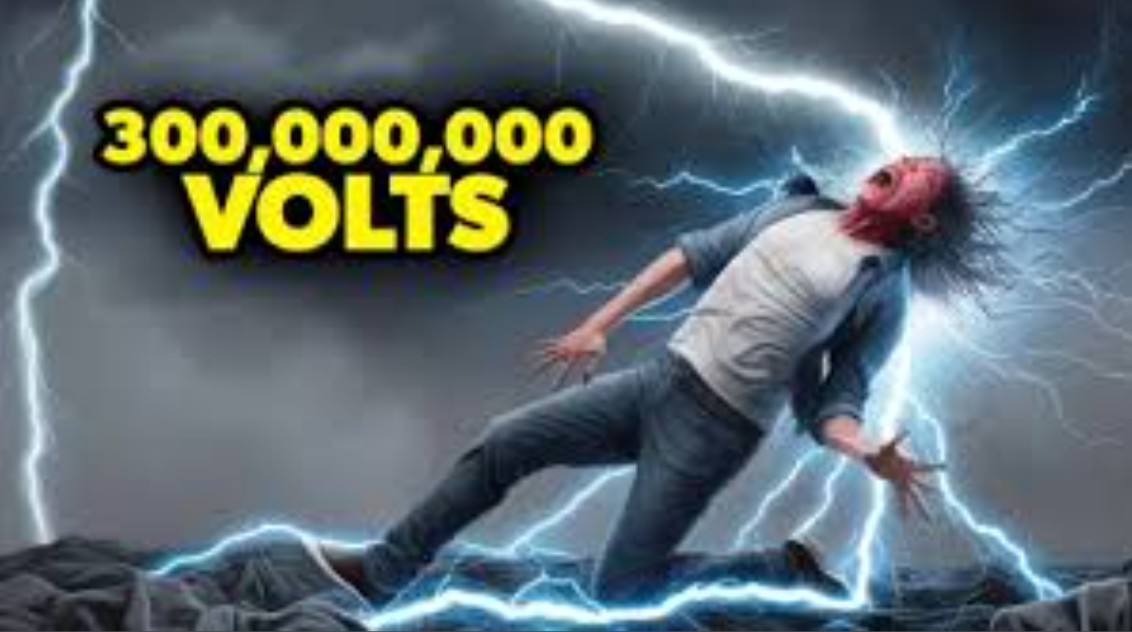
What happens when you struck by lightning?