ODosta Inc. Create Your Own Tech World

Greatness does not always announce itself. Sometimes, it arrives quietly—without flash, without noise—carried by a man who never asked to be a star. Nikola Jokic is one of those rare figures. A superstar who never chased the spotlight, yet somehow reshaped modern basketball while standing directly under it. This is the story of a boy from Serbia, a reluctant hero, and the injuries—both physical and unseen—that tested his resolve.
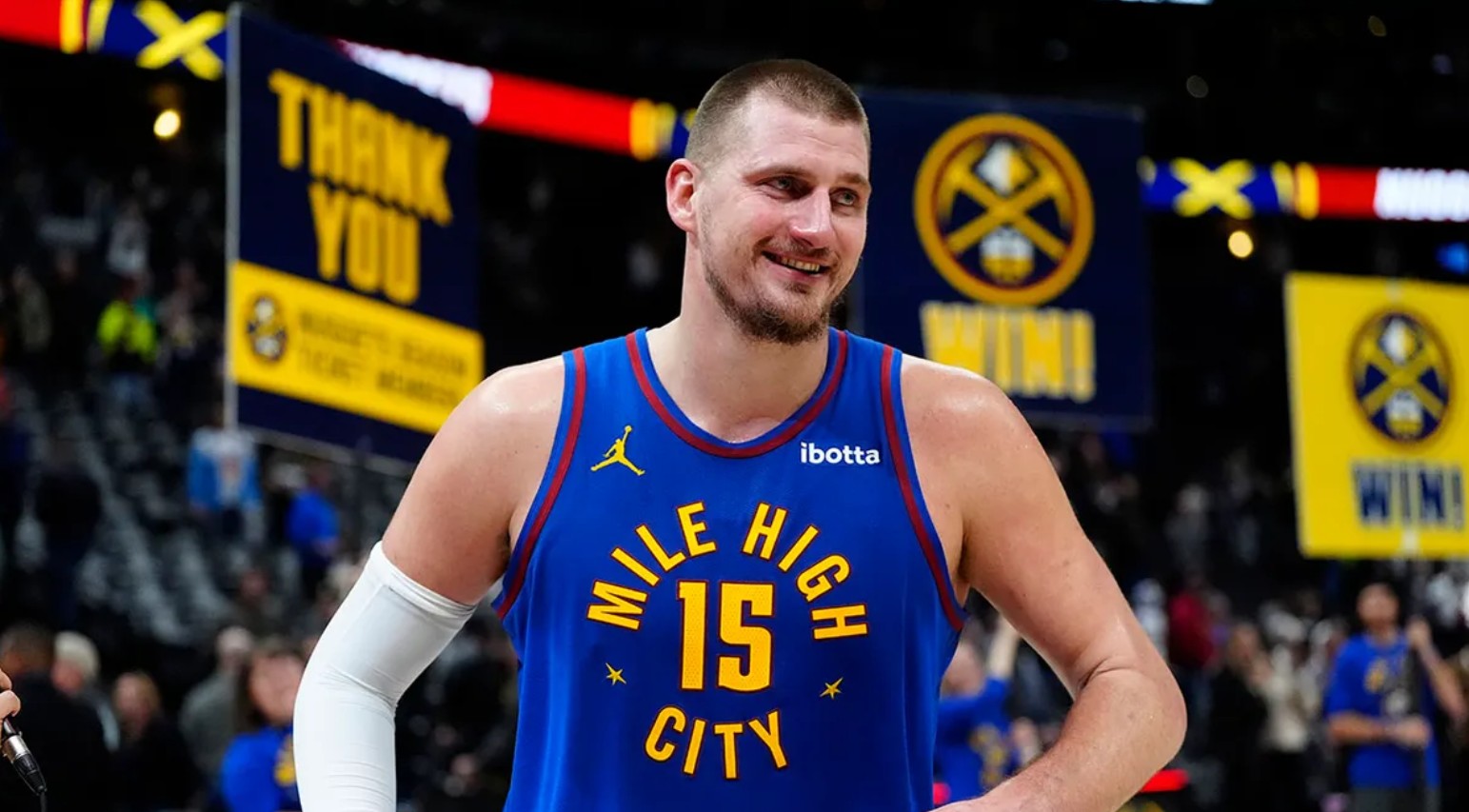
Roots in Sombor
Nikola Jokic was born in Sombor, Serbia, a small, quiet town far removed from NBA arenas and global attention. His childhood was simple. Horses. Family. Basketball played more for joy than ambition.
He was not the fastest.
He was not the strongest.
And he certainly did not look like a future MVP.
Jokic grew up loving the game, but never obsessing over it. While others dreamed of the NBA, he dreamed of home. Of routine. Of comfort. Even as his talent grew, fame never seemed to interest him.
That quiet nature would become his greatest strength—and his greatest misunderstanding.
Overlooked, Then Unstoppable
When Nikola Jokic entered the 2014 NBA Draft, his name was called during a Taco Bell commercial. Pick number 41. No applause. No headlines.
But basketball has a way of revealing truth over time.
When Jokic arrived in Denver, he didn’t dominate with speed or athleticism. He dominated with vision, timing, and intelligence. He saw the court differently—passing like a guard, rebounding like a center, thinking two steps ahead of everyone else.
Slowly, defenses failed.
Then entire systems collapsed.
By the time the league realized what he was, it was too late. Nikola Jokic had become the center of a new era of basketball—one built on skill, patience, and control.
The Weight of Carrying Everything
Greatness carries a cost.
As Jokic’s role grew, so did the burden on his body. He was no longer just a player—he was the offense, the organizer, the anchor. Every possession flowed through him. Every defense targeted him.
Unlike explosive athletes, Jokic’s game relied on balance, positioning, and constant contact. Night after night, he absorbed punishment in the paint—elbows, collisions, falls that rarely made highlight reels.
And slowly, the wear began to show.
Injuries That Tested His Limits
Nikola Jokic has never been defined by one major catastrophic injury. Instead, his career has been marked by persistent physical strain—wrist issues, knee soreness, back tightness, and nagging injuries that come from carrying too much responsibility for too long.
There were moments when his movement looked limited. When his hands, so precise and soft, were taped and protected. When he played through pain not because he wanted praise—but because he felt responsibility.
Jokic rarely spoke about injuries. He didn’t dramatize them. He didn’t use them as excuses.
But those who watched closely could see it—the exhaustion, the physical toll, the quiet moments on the bench where even the strongest minds need rest.
The Mental Battle
Injury is not only physical.
For someone like Nikola Jokic—who values peace, routine, and balance—the constant grind of the NBA season can be heavier than the pain itself. The travel. The expectations. The pressure to lead.
There were times when he looked emotionally distant—not because he didn’t care, but because caring too deeply would cost him more than he was willing to give.
Yet even in those moments, he showed up.
Because leadership, for Jokic, was never about speeches. It was about presence.
Rising Through Pain
Despite the injuries, despite the strain, Nikola Jokic reached heights few ever touch.
Multiple MVP awards.
A historic NBA Championship.
A Finals MVP performance built on intelligence rather than force.
He did it without changing who he was.
No theatrics.
No manufactured persona.
Just basketball—played honestly.
His injuries never defined him. They revealed him.
They showed a player willing to endure discomfort without complaint. A leader who absorbed pressure quietly so others could thrive.
Beyond the Court
When the season ends, Jokic returns to Serbia. To horses. To family. To silence.
Because for all his achievements, Nikola Jokic has always understood something rare:
Basketball is important—but it is not everything.
And maybe that understanding is what allows him to survive the injuries, the pressure, and the relentless expectations of greatness.
The Legacy of the Quiet Giant
Nikola Jokic may never be the loudest name in sports history.
But he will be remembered as one of the most complete, intelligent, and unselfish players the game has ever seen.
A man who carried a franchise.
A man who endured pain without spectacle.
A man who proved that greatness doesn’t have to shout.