ODosta Inc. Create Your Own Tech World

In the early 2010s, Microsoft took a bold step into physical retail, vowing to bring its broad digital ecosystem into real-world, hands-on environments. For years, Microsoft Stores dotted shopping districts, malls, and city centers from North America to Australia, offering everything from Surface laptops to Xbox gaming experiences. But the story of Microsoft Store locations worldwide is far from a simple list of addresses. it’s a journey through changing consumer habits, global disruption, and how even the biggest tech companies must evolve.
Microsoft Store Locations Worldwide
In this expansive blog post, we’ll take you through that full story, exploring the history of Microsoft’s retail ambitions, where these stores once stood, what replaced them and what the concept of “store” means for Microsoft today and tomorrow.
A New Chapter: Microsoft’s Retail Expansion
The idea of Microsoft operating retail locations first sparked in 2009. Not long after the launch of Windows 7, Microsoft opened its first official Microsoft Store in Scottsdale, Arizona and, within a short time, began expanding aggressively.
From flagship locations in Manhattan’s vibrant Fifth Avenue to community-focused shops spread across multiple U.S. states and international markets like Canada, Puerto Rico and Sydney, Microsoft envisioned a future where customers could experience technology first-hand.
Key reasons behind this expansion included:
-
Showcasing hardware and ecosystems: Surface laptops, Xbox consoles, accessories, and more were laid out side-by-side so customers could try them before buying.
-
Workshops, support, and community: Just like Apple Stores, Microsoft Stores provided technical support, troubleshooting, training sessions, and community events.
-
Brand immersion: Stepping into a physical Microsoft Store was meant to reinforce Microsoft’s role in everyday computing from Windows devices to business solutions.
By the mid-2010s, the company had grown to more than 110 physical retail stores across the United States, Canada, Puerto Rico, and Australia, serving millions of customers annually.
A Global Footprint (Before the Shift)
At its peak, the Microsoft Store retail footprint included locations in:
North America
-
Major flagship stores in New York City, Los Angeles, Chicago, and other metropolitan hubs.
-
Presence in shopping centers and malls across dozens of U.S. states, making Microsoft products accessible far beyond Redmond’s Pacific Northwest headquarters.
-
Retail and experience hubs in Canada and Puerto Rico, supporting both consumer and professional audiences.
Australia
-
A high-profile flagship store on Pitt Street Mall in Sydney, showcasing digital products in one of Oceania’s busiest retail districts.
United Kingdom & Europe
-
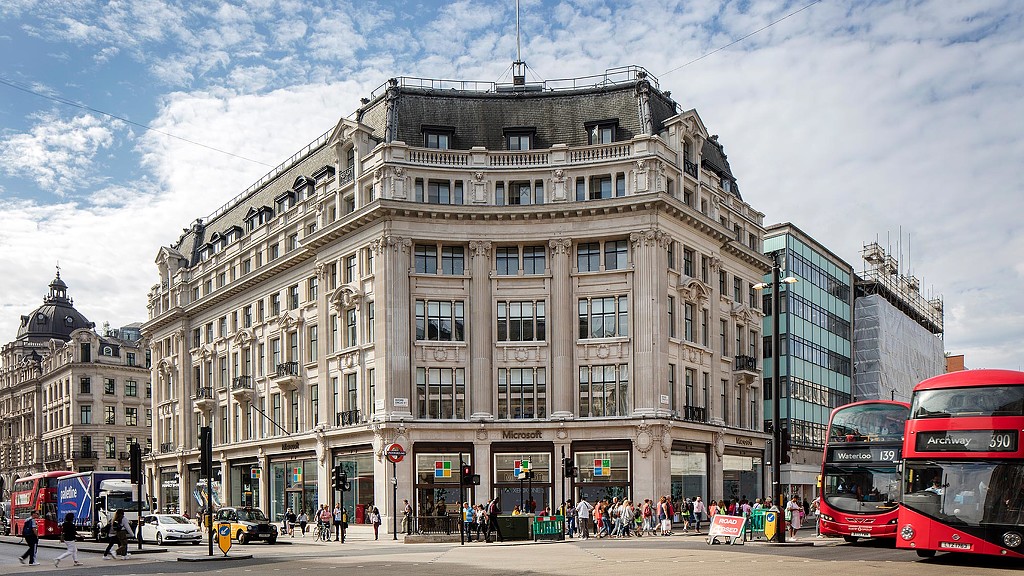
A striking flagship presence on Oxford Circus in London, featuring multiple floors dedicated to hardware, gaming, and customer events.
Across these regions, Microsoft Stores promised immersive experiences, places where curious tech enthusiasts, families, business professionals, and gamers could gather, shop, learn, and engage.
A Turning Point: The Digital Shift
Everything changed in 2020 amidst the global COVID-19 pandemic. As lockdowns spread and physical retail activity stalled, Microsoft announced a strategic pivot: the permanent closure of all physical Microsoft Store retail locations worldwide. Here’s what that shift meant:
Retail Stores Closed
Microsoft made the decision to permanently close most, if not all of its brick-and-mortar retail locations across the globe. This included locations in major cities and smaller markets alike.
Select Locations Transformed
Rather than outright shuttering every store, Microsoft reimagined a handful of flagship sites as Microsoft Experience Centers, places devoted to showcasing products and facilitating business meetings rather than serving as conventional retail outlets. Locations included:
-
New York City – Fifth Avenue
-
London – Oxford Circus
-
Sydney – Pitt Street Mall
-
Redmond, Washington – Microsoft’s headquarters campus
These spaces did not operate as stores in the traditional sense but offered a physical experience tied to Microsoft products and services.
Focus on Digital Experiences
According to Microsoft, online storefronts like Microsoft.com, the Windows Store, and the Xbox Store reached over a billion customers monthly, reinforcing that digital channels had become the backbone of retail.
The idea was clear: the shop of the future for Microsoft wasn’t about physical real estate, but about omnipresent digital service that could reach every customer, everywhere so you can buy now all Products from Microsoft Online Stores.
Why Microsoft Changed Course
Several factors contributed to this historic pivot:
1. Rise of Online Shopping
Even before the pandemic, digital purchasing habits were on the rise. The convenience of buying hardware and software online with home delivery and virtual support, diminished foot traffic to physical stores.
2. Cost & Profitability
Retail outlets come with significant overhead rent, staffing, utilities, and inventory logistics. If foot traffic and on-site sales don’t justify those expenses, even a major tech firm must reconsider.
3. Evolving Customer Needs
Microsoft recognized that customers increasingly prefer on-demand support, online demos, virtual tutorials, and remote purchase experiences. Physical stores, while useful for demos, were no longer a central preference for most buyers.
4. Strategic Focus Shift
Under CEO Satya Nadella, Microsoft has emphasized cloud services, enterprise solutions, and software platforms, areas where direct retail presence isn’t as critical.
Experience Centers: What They Were (and What They Became)
While traditional stores closed, Microsoft Experience Centers took their place, centering on inspiration and showcase rather than checkout counters.
These spaces were not designed for mass consumer sales. Instead, they became:
-
Demonstration hubs for Surface, Xbox, HoloLens, and Azure technologies.
-
Event venues for business partners, educational programs, and developer meetups.
-
Showrooms where enterprises could explore solutions with Microsoft representatives.
However, as the years progressed including into 2025, even some of these centers faced closures. Most notably, the iconic London Experience Center at Oxford Circus closed early in 2025 as Microsoft refined its approach.
This signaled that even experience centers were not immune to strategy shifts.
What This Means for Consumers Worldwide
Today, Microsoft doesn’t maintain an expansive physical retail footprint in the traditional sense. Instead:
Digital First Retail
You can explore and purchase Microsoft products from:
-
Microsoft.com: flagship online storefront
-
Xbox Store & Windows Store: in-device digital marketplaces
These channels provide:
-
24/7 access
-
Worldwide delivery
-
Online customer support
-
Digital downloads and subscription services
Remote Support
Customer service continues through remote channels including live chat, video appointments, and phone support.
Authorized Partners
In many countries, authorized resellers, electronics retailers and mobile carriers continue to sell Microsoft hardware and software locally (for example in Asia and Africa), even though Microsoft no longer directly operates stores there.
Note that Microsoft doesn’t directly operate physical retail in markets like China, but supplies products through partners and these arrangements have been evolving recently.
Final Thoughts: The Legacy of Microsoft Store Locations Worldwide
Microsoft’s physical retail journey reflects a larger truth about technology and commerce: customer expectations change, and businesses must adapt. From the excitement of flagship openings to the quiet pivot toward digital service, the story of Microsoft Store locations worldwide is not just one of addresses and storefronts but of strategy, innovation, and resilience.
Though the iconic mall-front stores and welcoming city-center showrooms have largely closed their doors, the spirit of bringing technology to people lives on just in a new form. Whether you’re browsing a Surface laptop from your living room or exploring Xbox games in a digital store, Microsoft today reaches customers in moments and places far beyond what physical shelves ever could.