ODosta Inc. Create Your Own Tech World

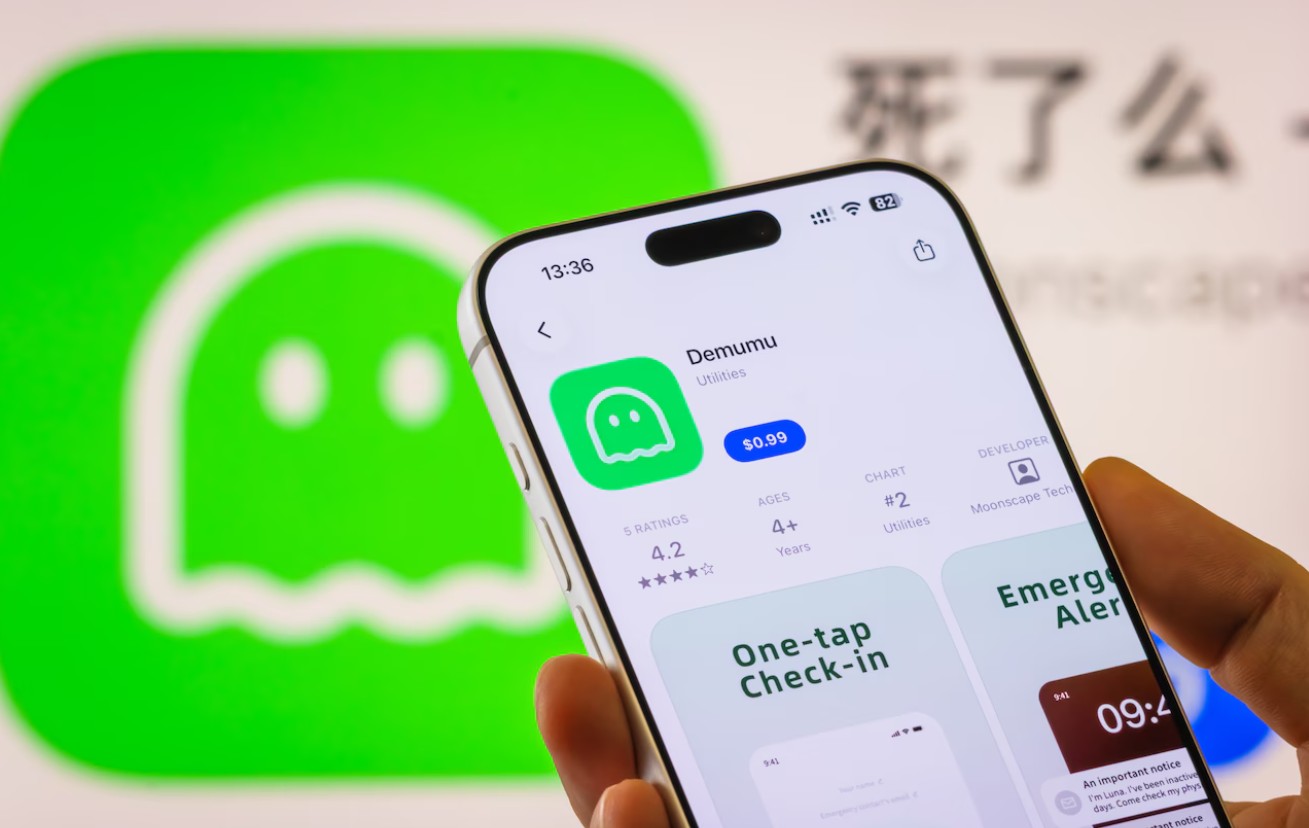
At first glance, the name alone is enough to make people uncomfortable. “Are You Dead?” isn’t a game. It isn’t a social media platform. It doesn’t promise entertainment, productivity hacks, or digital fame. Instead, it opens with one stark question: Are you alive?
“Are You Dead?” Chinese Viral App Reveals a Deeper Crisis of Urban Loneliness
That blunt question is exactly why millions of young people in China are downloading it and why the app has quietly become one of the most talked-about pieces of technology in the country.
A Simple App With a Heavy Question
The concept behind Are You Dead? is almost shockingly simple.
Once every two days, users open the app and tap a large “check-in” button. That single tap tells the app one thing: the user is alive. If the user fails to check in for two days, the app automatically sends an alert to a pre-selected emergency contact with a warning that something may be wrong.
No feeds. No likes. No messaging. Just a digital heartbeat.
The app launched quietly last year, without advertising campaigns or celebrity endorsements. Then, early this year, it surged up the charts and became the most downloaded paid app in China. Its creators, three developers in their twenties, reportedly built it at almost no cost. Today, it’s worth millions But the app’s success isn’t really about clever design or business timing. It’s about fear and the kind of fear that comes with modern urban life.
Why Young People Are Embracing It
China was once defined by tight family networks and close-knit communities. For generations, it was common for multiple generations to live under one roof or at least in the same neighborhood.
That reality is changing fast.
In China’s major cities, more people are living alone than ever before. Young professionals occupy small apartments, students move far from home, migrant workers live near job sites, and an increasing number of elderly people are aging without family nearby. Marriage is being delayed, and single-person households are rising sharply.
By 2030, China could have around 200 million single-person households.
This shift has created a quiet, unsettling question many people rarely say out loud: What if something happens to me, and no one notices?
On Chinese social media, users have been disturbingly honest. Some say the app gives them peace of mind. Others say, more bleakly, that at least someone will discover their body.
A Name That Divides Opinion
Not everyone is comfortable with the app, especially its name. In Chinese culture, words carry deep symbolic weight, and openly discussing death is often considered inauspicious or unlucky. Some users say that even installing an app called Are You Dead? feels wrong. Many have urged the creators to rename it.
The company says it’s listening and may rebrand in the future. Yet there’s a cruel irony here: the very name people dislike is what made the app go viral. It forces attention. It refuses to soften the reality it’s addressing.
Does the App Actually Help?
On a practical level, yes it does exactly what it promises.
If someone stops checking in, an alert is sent. In cases of medical emergencies, accidents, or mental health crises, that notification could save lives But critics point out a harder truth. The app doesn’t solve loneliness. It doesn’t create community. It simply manages isolation.
The developers say the idea grew out of online discussions about safety and urban loneliness. They’re now exploring ways to expand the app, especially for elderly users an audience for whom the risks of living alone are even higher.
A Painfully Modern Question
In the end, Are You Dead? isn’t really about death. It’s about recognition.
The app quietly admits something modern life often avoids acknowledging: millions of people are living entirely on their own, disconnected from daily human check-ins that used to happen naturally through family and community So when the app asks its unsettling question, it’s not being morbid. It’s being honest.
If something happened to you tomorrow, would anyone know?
In a world that celebrates independence and digital connection, Are You Dead? reminds us of something deeply human—the need to be noticed, remembered, and checked on. And perhaps that’s why a single button, pressed once every two days, has struck such a powerful nerve.