ODosta Inc. Create Your Own Tech World

North Korea has remained on the sidelines while the United States and Israel carry out a military campaign against Iran. If reports about a missile strike near the North Korean embassy in Tehran are confirmed, this could be the one thing that forces Pyongyang to abandon restraint and enter the conflict in a more direct way. The idea of North Korea entering the escalating war sends shockwaves through global geopolitics and raises questions about how far this war could spread so you can check the figures, north korea entry in us iran war possible or not.
IS North Korea Entry in US Iran War Possible?
What Is the Alleged Missile Strike Near the North Korean Embassy?
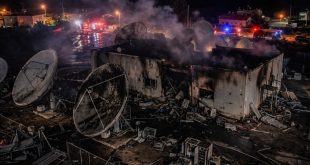
In recent days, multiple social media accounts and regional news outlets claimed a missile landed near or even hit the North Korean embassy in Tehran amid the heavy US?Israeli bombardment of Iranian territory. Some reports say parts of the diplomatic compound were damaged and that Pyongyang vowed retaliation if the strike was intentional. Established international news agencies have not yet independently verified these claims, and neither Iran nor North Korea’s official media have provided detailed confirmation. At this stage, the situation remains unverified.
The backdrop to this uncertainty is a massive joint air and missile campaign against Iran that began with coordinated strikes on February 28. During those initial strikes, Iran’s supreme leader Ayatollah Ali Khamenei was killed, and Iran’s defense infrastructure came under severe attack. In response, Tehran initiated significant missile and drone attacks against US bases and allied targets in the Gulf and across the region.
Why Would North Korea Respond?
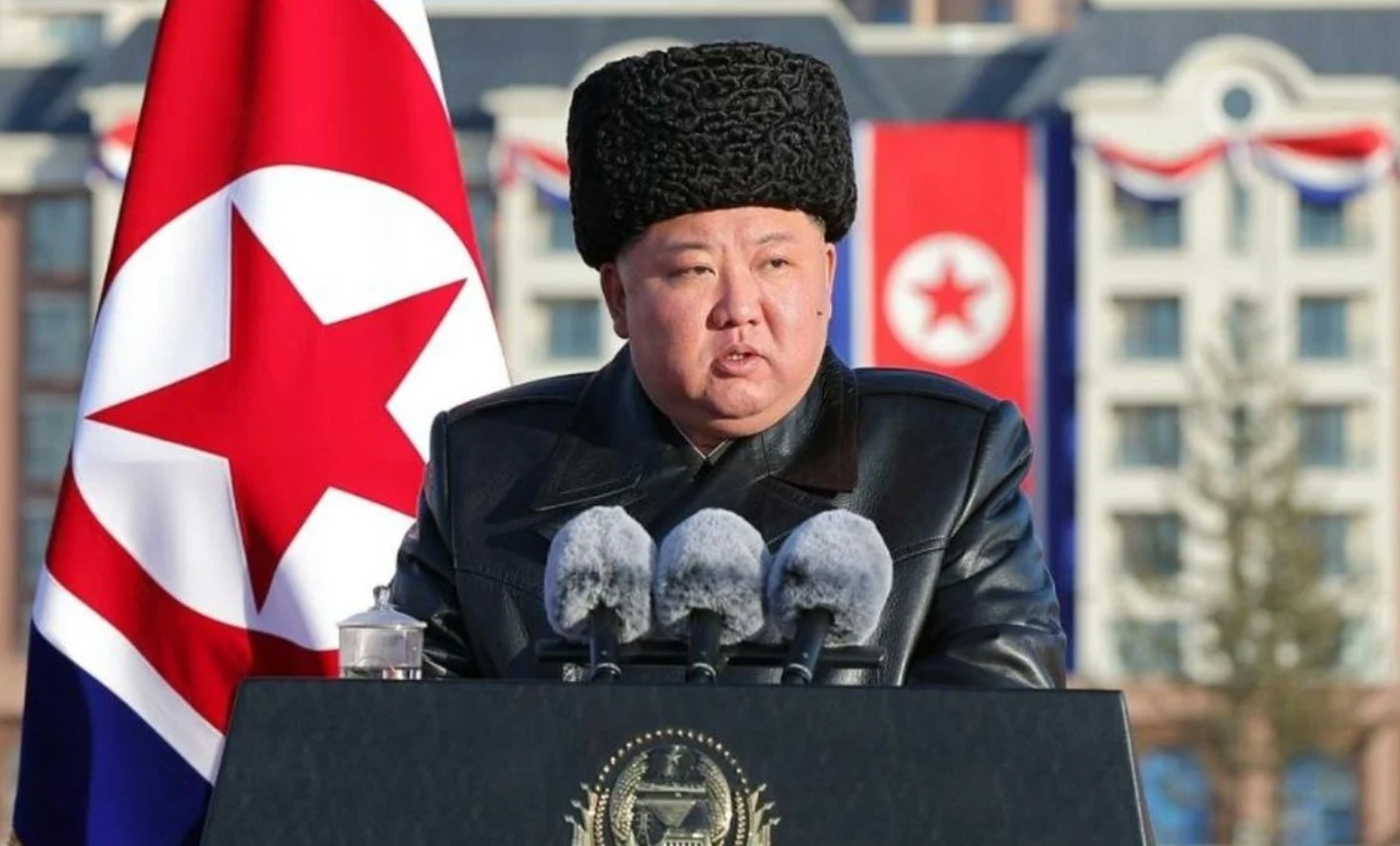
For months, North Korea has condemned the US?Israeli strikes on Iran, calling them “illegal aggression” and a violation of sovereignty. Pyongyang has stopped short of direct military action or threats against the United States or Israel. Instead it has expressed rhetorical support for Iran while maintaining careful diplomatic distance.
That diplomatic posture makes sense when you consider North Korea’s own history. Kim Jong Un’s leadership learned through decades of tension with the United States how costly direct conflict can be, especially when nuclear capabilities are involved. Analysts note that the current war in the Middle East reinforces North Korea’s belief that nuclear weapons are the only reliable deterrent against foreign intervention.
Yet a strike that affected North Korean diplomats would change the calculus. Nations typically treat attacks on diplomatic facilities as intolerable breaches of international norms. Whether a missile was intentionally directed at the embassy or not, an incident near that site would create strong internal pressure on Pyongyang to respond. A nation whose leadership places survival first would find it hard to ignore what its people see as a direct affront. And worldwide audiences would watch carefully for shifts in North Korea’s military messaging once an embassy comes into play.
Where Did the Reported Strike Fit Into the Broader Conflict?
The war involving Iran has now pulled considerable international attention. Since the initial strikes, Iran has inflicted missile and drone attacks on countries hosting US forces, including strikes affecting Kuwait and the United Arab Emirates. These operations have caused casualties and damaged infrastructure while prompting defensive responses from Gulf states.
In recent days, Turkey reported that NATO defenses intercepted an Iranian missile that reached Turkish airspace, marking a significant and risky escalation into the alliance’s area of responsibility.
These dynamic developments are unfolding as North Korea conducts its own missile tests. State media in Pyongyang announced a strategic cruise missile test for warship deployment while again voicing support for Iran and condemning Western military actions. This signal of solidarity, though not yet translating into active war participation, reflects the strong diplomatic and military ties between the two regimes.
How Real Is the Risk of North Korea Entering the War?
Warmongering headlines often exaggerate the likelihood of direct conflict between nuclear?armed states, yet the scenario is not outside the realm of possibility if diplomatic norms are breached. Historically, diplomatic compounds are considered protected zones under international law. An attack near such a site is more than a random event; it becomes a potential diplomatic rupture point.
In this case, Pyongyang has several strategic considerations. A years?long alliance with Tehran gives it political and military motivation to support its partner if embassies are targeted. On the other hand, North Korea’s own isolated economy and history of sanctions make it acutely aware of the consequences of escalation with the United States or its allies.
Even without direct military engagement, the war has already influenced North Korean strategy and global positioning. The conflict has encouraged Pyongyang’s leadership to place even greater emphasis on nuclear deterrence and strategic self?protective gestures. But active participation in a distant war would carry enormous risks. Analysts debate whether even an embassy incident would prompt Pyongyang to test those limits or whether the government would instead focus on limited diplomatic and rhetorical support.
The Role of Global Powers in a Wider Region
Beyond the immediate actors, major powers are also watching closely. Russia and China have historically had complex relationships with both Iran and North Korea. While they may criticize Western strikes diplomatically, neither has been willing to commit ground forces or overt military support. Instead, these countries pursue a balancing act between opposing US influence and avoiding a full?scale broader war.
In recent days Russian criticism of the strikes has been echoed in international forums, placing pressure on global institutions to seek de?escalation. Commentary has centered on the fragility of the current situation and the potential for broader instability.
Still, global leaders and diplomatic envoys are calling for restraint. Many countries emphasize the risk of humanitarian catastrophe and the importance of communication channels to prevent unintended escalation between nuclear?armed states.
What Might Happen Next
If an embassy strike were verified and condemned by North Korea, possible outcomes range from increased diplomatic isolation of Pyongyang to military posturing that stops short of direct engagement. North Korea might join international condemnations, offering political and symbolic support to Iran while avoiding kinetic action.
Alternatively, Pyongyang could use such an event to justify expanded missile tests or symbolic retaliation against US assets elsewhere. Even without actual military engagement, the propaganda value of a firm response would be significant to North Korean leadership.
The situation remains fluid. Analysts across capitals are watching for official statements from Pyongyang and Tehran, and verifying credible evidence about the alleged embassy strike. Social media chatter swirls with speculation, yet careful observers stress the difference between unverified claims and documented military actions.
Why This Matters to the World
A diplomatic site hit in a major conflict raises the stakes for all involved nations. Whether the incident was accidental or deliberate, its consequences extend far beyond a single explosion. North Korea’s reaction will influence regional alliances, global treaty obligations, and how other nations calculate their own risks in this swirling conflict.
For you observing the news, the lesson is clear: events that seem localized can quickly become international flashpoints. Diplomatic missions are meant to be safe spaces even in war, and when that safety is breached, trust between states can erode rapidly.As this story continues to unfold, stay aware of updates from reliable news outlets and official government statements. If the missile near the North Korean embassy was more than a rumor, the implications for world peace may stretch well beyond the Middle East.