ODosta Inc. Create Your Own Tech World

Cruise ships are often marketed as floating resorts endless buffets, Broadway-style shows, water parks, and ocean views in every direction. But behind that polished guest experience is something far more complex. The world’s biggest cruise ships operate like small, self-contained cities, where thousands of crew members work around the clock to keep everything moving, clean, fed, entertained, and safe.
How Sea Titans Really Run
From the record-breaking Symphony of the Seas sailing the Mediterranean to the LNG-powered Aida Nova in the Canary Islands, from icy Alaskan passages aboard Norwegian Joy to tight Caribbean channels navigated by Sky Princess, each mega ship faces unique challenges. What they all share is relentless coordination, precision, and teamwork, often under intense pressure and unforgiving conditions.
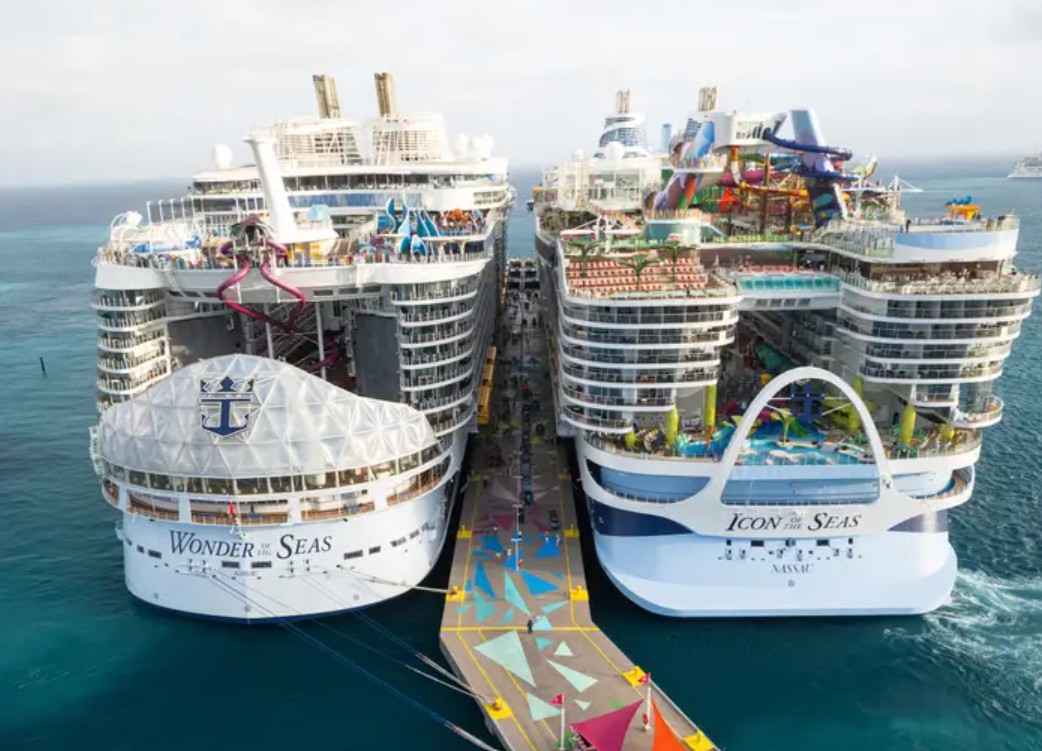
Five Mega Ships, Five Very Different Challenges
Each ship featured tells a different story of scale, technology, and problem-solving:
-
Symphony of the Seas (Mediterranean): The largest cruise ship in history, tested by tight harbors, massive provisioning, weather-sensitive shows, and strict departure schedules.
-
Aida Nova (Canary Islands & Madeira): A $1 billion LNG-powered pioneer facing wind-heavy maneuvers, late pilots, and complex fuel bunkering.
-
MSC Meraviglia (Mediterranean): Close-quarters docking, provisioning delays, technical failures, and the launch of a major new show.
-
Norwegian Joy (Alaska): Ice fields, glacial silt clogging water systems, risky pilot transfers, and narrow weather windows.
-
Sky Princess (Caribbean): False alarms, communication failures, dangerous channel turns, and strong wind-and-current dockings.
Symphony of the Seas: The Biggest Ship Ever Built
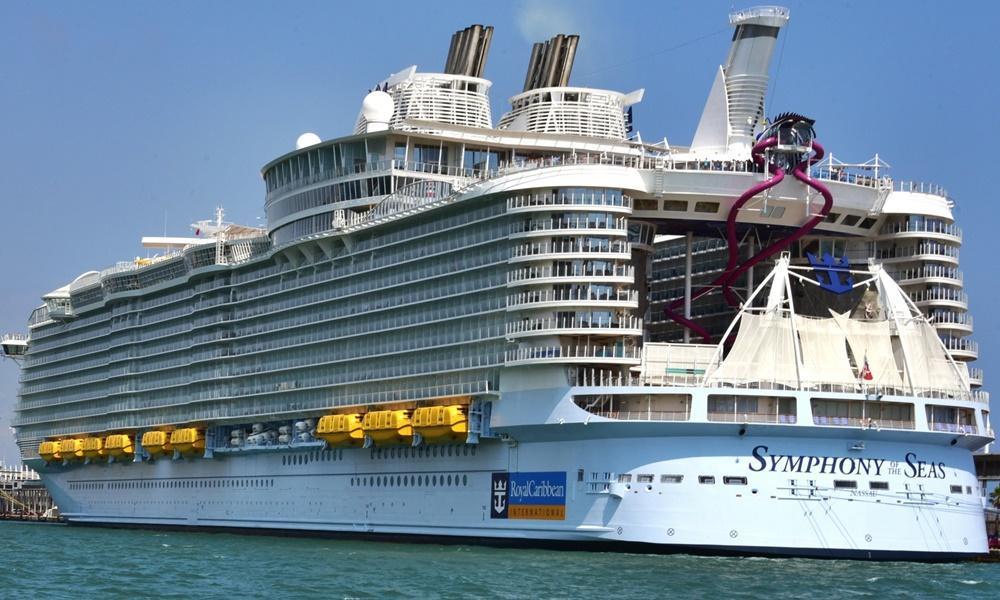
A scale that’s hard to imagine
At 362 meters long, 66 meters wide, and 72.5 meters tall, Symphony of the Seas redefines what “big” means at sea. With over 2,700 staterooms, 23 restaurants, water parks, spas, an ice rink, an open-air Central Park, and a full Boardwalk complete with a carousel, it’s less a ship and more a floating city.
Captain Rick Sullivan puts it simply: compared to Symphony, the Titanic isn’t even close. This ship is roughly five times larger.
Docking before dawn
The cruise begins long before guests wake up. At 4:30 a.m., the bridge team brings Symphony through a narrow channel into Barcelona. Manual steering, tug coordination, and slow, deliberate movements are critical. Once docked, the bridge quiets but the ship itself is just getting started.
Turnaround day: controlled chaos
Turnaround day is the most intense of the week. Thousands of guests disembark, and roughly 4,500 new ones board within hours. Hotel director Gianluca Carelli oversees everything from check-in flow to cabin inspections, knowing that first impressions set the tone for the entire cruise.
Some cabins are ordinary staterooms. Others, like the Ultimate Family Suite with its private cinema and in-room slide are experiences in themselves.
Feeding a floating city
Provisioning Symphony is a logistical marathon. In less than eight hours, 80 to 100 tons of food and drink must be loaded to feed about 7,700 people. Weekly consumption includes tens of thousands of eggs, thousands of oysters, hundreds of cases of champagne, and mountains of produce each item checked, repacked, and stored by hand.
Executive Chef Lee Goble oversees nearly 30,000 meals a day, relying on precise planning to avoid shortages or waste.
Tight turns and tougher calls
Leaving port requires precision. With three azipod propellers and four bow thrusters, the ship can rotate almost on the spot, completing a 180-degree turn in about 15 minutes.
But even perfect maneuvering can’t prevent hard decisions. When four guests miss the all-aboard time in Palma de Mallorca, the captain waits the allowed grace period then sails on schedule. Safety and timing always come first.
Weather can also shut down entertainment. In Rome, a 30-knot crosswind makes the aqua theater pool unsafe for high dives, forcing the crew to postpone a show with 800 guests waiting. Safety wins, every time.
Aida Nova: LNG Power and Precision Sailing
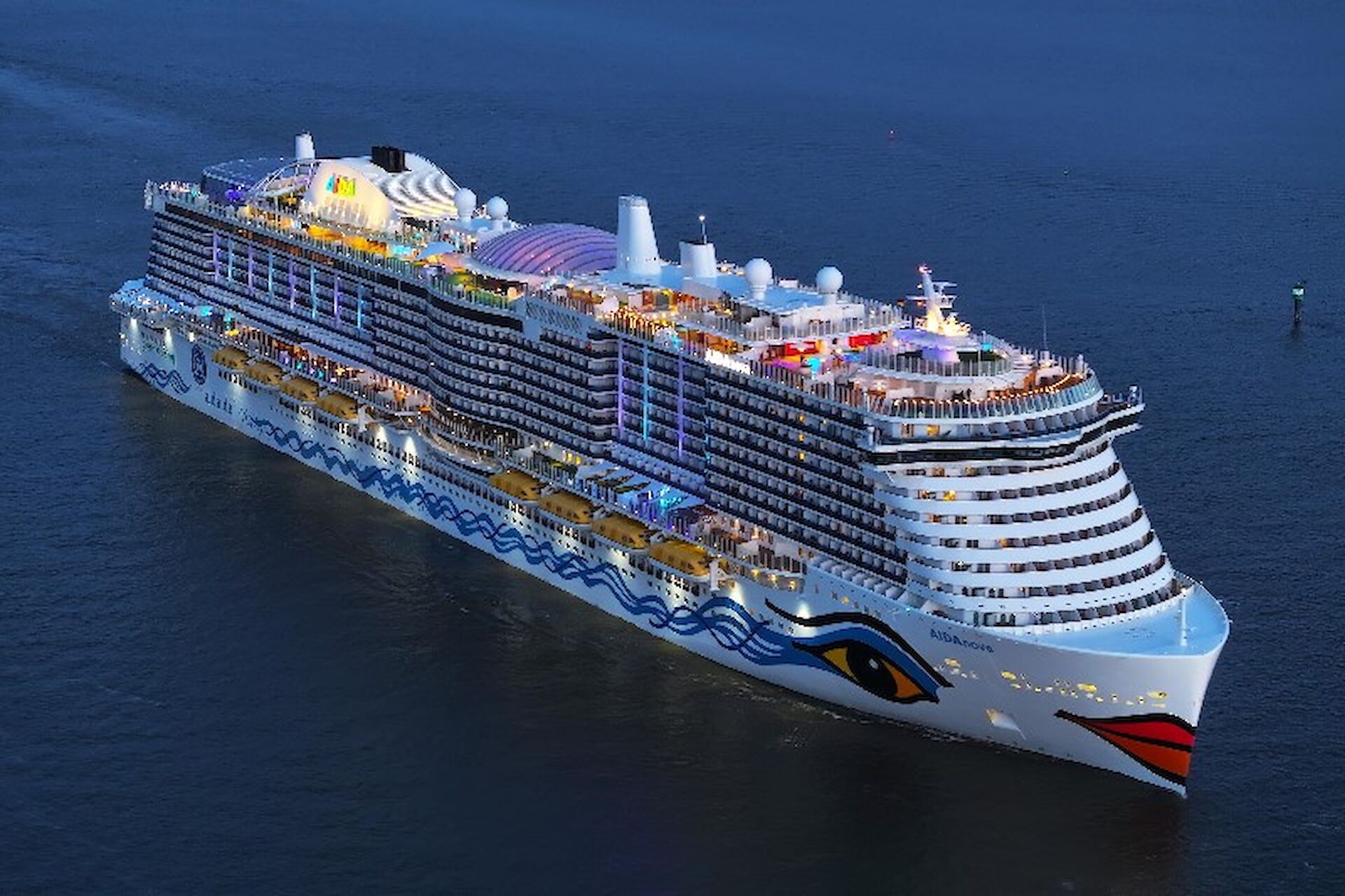
Aida Nova represents the future of cruising. Built for the German market and carrying up to 5,200 guests, it’s the first large cruise ship in this lineup designed to run primarily on liquefied natural gas (LNG), the cleanest-burning fossil fuel currently available.
Wind, delays, and mentorship
Late pilots and strong winds complicate departures, especially when wind shadowing can unexpectedly push the stern toward nearby ships. Even so, the captain uses these moments to mentor junior officers, letting them handle complex maneuvers under close supervision.
LNG bunkering: high risk, high reward
Fueling with LNG is nothing like filling a tank with diesel. Pipes must be cooled in stages to prevent “cold shock,” which could rupture lines if super-cold LNG hits warm metal too quickly. During bunkering, strict safety rules apply, and smoking is restricted even on balconies.
When complete, 850 tons of LNG power the ship for about two weeks cleaner, quieter, and more efficient.
MSC Meraviglia: When Timing and Technology Collide
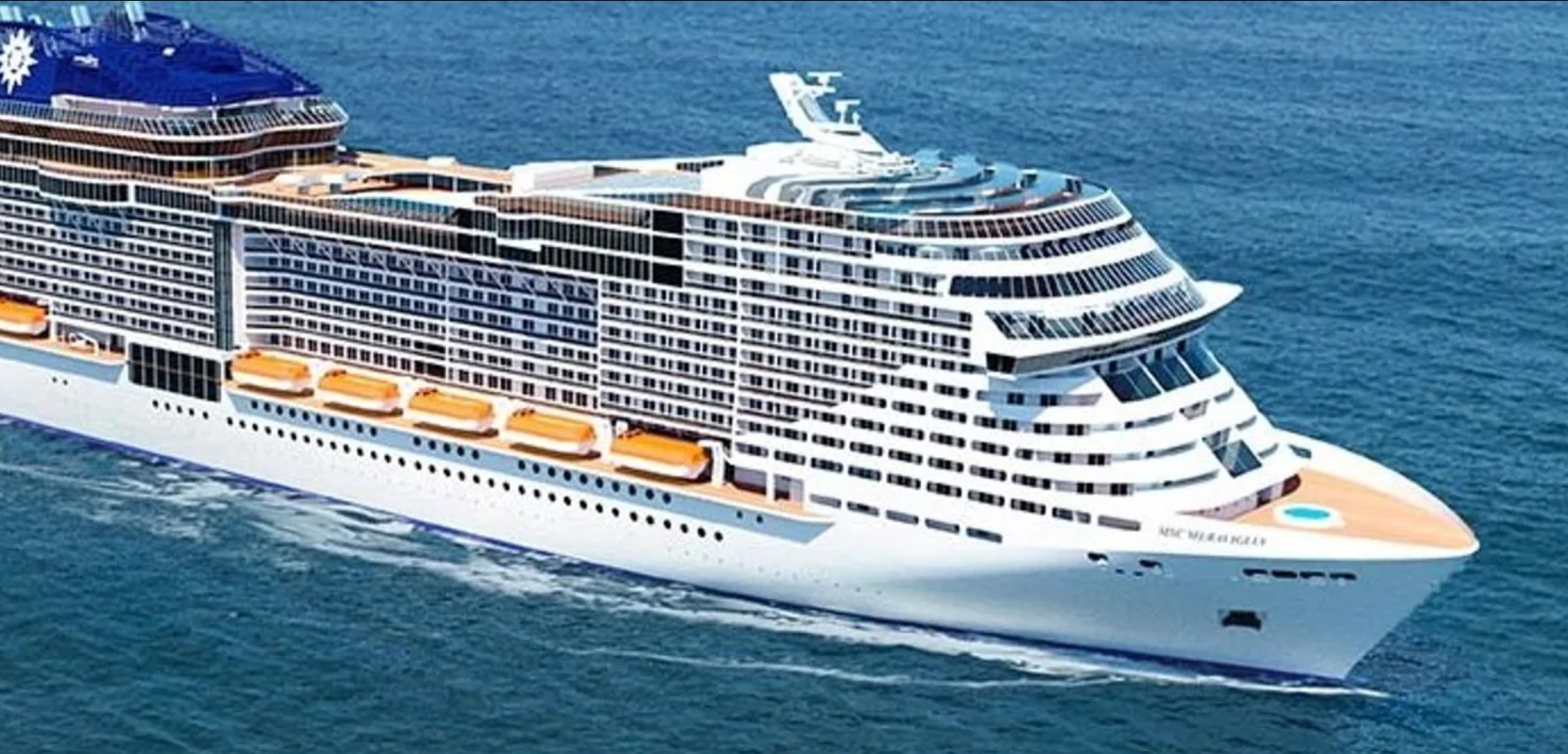
MSC Meraviglia, carrying over 4,000 passengers and 1,500 crew, highlights how small disruptions can escalate quickly.
A missing produce truck nearly derails lunch service. Tight harbors in Messina and Malta require quick, snake-like turns. In Barcelona, a port-side control failure forces the captain to dock using alternative stations, relying entirely on teamwork and communication. Engineers resolve the issue in 20 minutes but the incident shows how quickly plans can change.
The ship also debuts Sonar, a Cirque du Soleil at Sea production featuring moving platforms and synchronized dining service, all designed to function even when the ship flexes in heavy seas.
Norwegian Joy: Alaska’s Beauty and Brutality
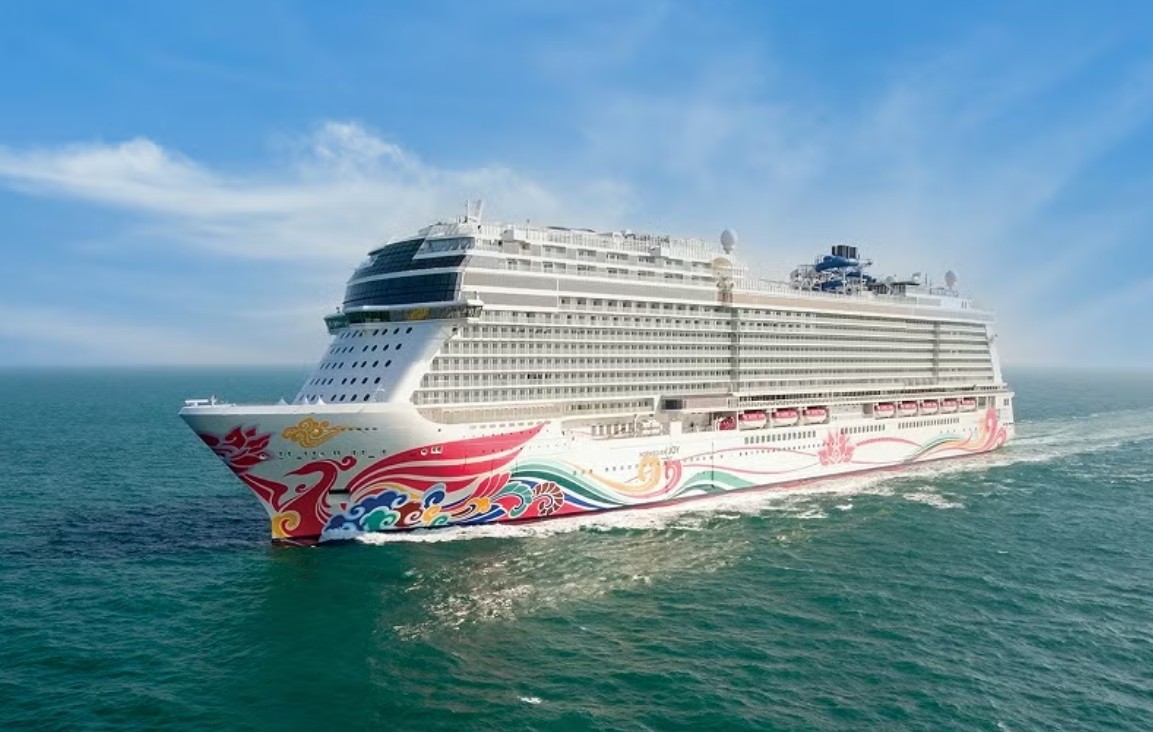
Sailing Alaska’s Inside Passage is stunning and unforgiving. Norwegian Joy faces rough pilot transfers, ice fields near Dawes Glacier, and glacial silt that clogs water purification systems. Engineers change dozens of filters, eventually bunkering fresh water in Juneau to keep up with demand.
Ice is a constant threat. Blue ice, harder than steel, hides mostly below the surface. The ship isn’t an icebreaker, so every chunk matters.
Timing is everything. In Juneau, two late guests sprint back just in time. The captain is blunt: you can’t hold thousands of people for two stragglers.
Sky Princess: High-End Cruising, High-Stakes Maneuvers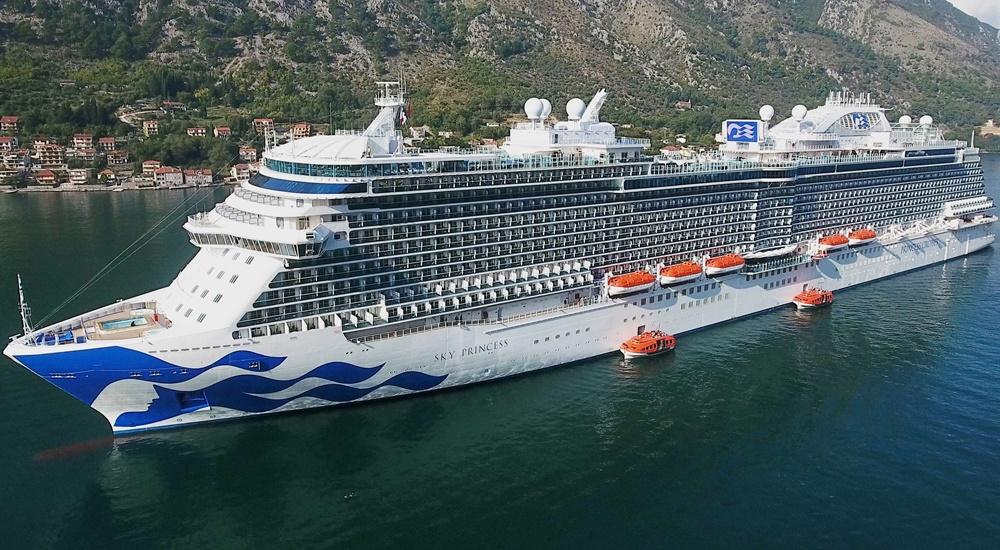
Sky Princess blends luxury with technology, using app-based services and wearable Ocean Medallions. But even here, things go wrong.
A false alarm triggers panic and worse, the PA system fails. With no shipwide communication, crew members walk deck by deck, calming guests face-to-face.
In Belize City, a malfunctioning stabilizer pump worsens the ship’s lean during a critical channel turn. The bridge isolates the system, resets it, and regains control before reaching the tightest section.
In Roatan, 30-knot winds and strong currents force the captain to use all six thrusters at once, carefully balancing power to avoid being pushed into the dock.
The Reality Behind the Luxury
Across all these ships and itineraries, one truth stands out: the guest experience only exists because thousands of crew members never stop working. Engineers, chefs, cleaners, performers, officers, and support staff operate a floating city under strict schedules, unpredictable weather, and zero margin for error.
Whether it’s postponing a show for safety, sailing without late guests, fixing systems mid-maneuver, or navigating ice-filled fjords, these sea giants succeed because of discipline, preparation, and teamwork.
The next time a cruise ship glides effortlessly into port, remember it only looks easy because an entire city is working behind the scenes to make it so.